In 2026, Essential Oil Aromatherapy Candles are becoming more thoughtful, varied, and safety-conscious. Buyers now examine fragrance quality, wax composition, burn time, and ingredient transparency. A candle is no longer just a decorative jar. It can shape a quiet evening, a focused workspace, or a restorative bedtime ritual.
Robert Tisserand, a respected essential-oil safety educator, offers an important reminder: “Natural does not necessarily mean safe.” His words deserve attention. Essential oils are concentrated materials, and their performance depends on dilution, heat, ventilation, and individual sensitivity. Reliable candle makers should explain these details clearly. They should also avoid promising medical outcomes, because pleasant fragrance is not the same as treatment.
This guide explores the top Essential Oil Aromatherapy Candles types for 2026. It considers soy wax candles, beeswax blends, coconut wax formulas, wood-wick designs, travel tins, and candles created for specific moods. Lavender may suggest calm. Citrus can feel bright and clean. Cedarwood often brings a warmer, grounded atmosphere. Results still vary from person to person.
Small details matter. Watch the flame. Trim the wick. Notice the room’s airflow. These simple habits affect scent and safety.
The category is growing, but not every product deserves trust. Some labels sound impressive while providing little useful information. That is an uncomfortable truth. A careful comparison should question vague claims, inspect testing information, and recognize personal preferences. The best choice may not be the strongest scent. It may be the most balanced, transparent, and responsibly designed candle for everyday use.
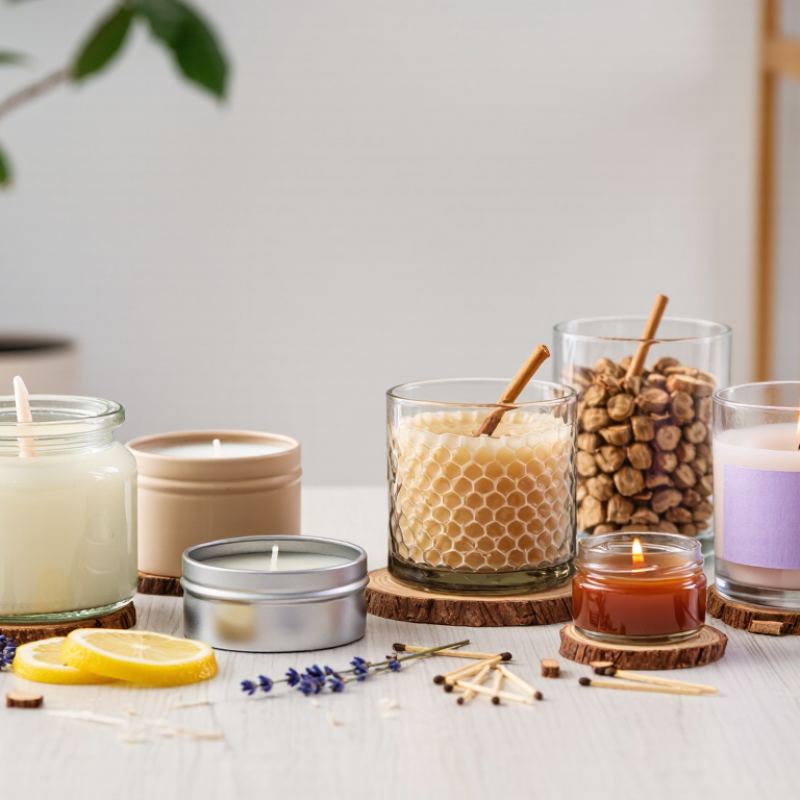
Market Scope: NCA Reports Candles in 7 of 10 U.S. Households
The National Candle Association reports that candles are present in seven of ten U.S. households. That figure shows more than popularity. It reflects how candles support daily routines, quiet evenings, and personal spaces. In 2026, essential oil aromatherapy candles are gaining attention through several practical scent types.
Citrus candles suit kitchens, work areas, and morning routines. Floral blends create a softer bedroom atmosphere. Lavender, rose, and geranium are common choices.
Woody scents, such as cedar or sandalwood, feel warmer in living rooms. Herbal options with rosemary or eucalyptus can seem crisp and clean. Unscented candles remain useful when fragrance sensitivity matters.
Wax quality and wick design affect the experience. Soy and beeswax blends often burn steadily, but performance depends on the formula. Check the ingredient label and avoid vague fragrance claims. Essential oils can change how a candle smells during burning. The cold scent may not match the warmed scent. That surprises many buyers.
A candle is not medical treatment. That distinction matters. Use it for atmosphere, not guaranteed health results. Keep the flame away from curtains, children, and pets. Trim the wick before lighting.
Ventilation is wise, especially in small rooms. One weakness in this market is inconsistent product information. More transparent testing would help consumers compare candles honestly. Even careful advice has limits. Preferences remain personal.
Ingredient Science: Essential Oils Classified Under ISO 9235 Standards
2026 Top Essential Oil Aromatherapy Candle Types
Ingredient science starts with correct vocabulary. ISO 9235 classifies natural aromatic raw materials by botanical origin and production method. An essential oil is typically distilled, pressed, or otherwise obtained from plant material. Citrus oils may be mechanically expressed, while lavender and eucalyptus oils are commonly steam distilled. Absolutes, concretes, and resinoids belong to related categories, but they are not automatically essential oils. This distinction matters when a candle label claims natural ingredients.
The leading candle types reflect these aromatic families. Citrus candles create a bright, clean impression. Floral candles feel softer, while woody candles suggest warmth and depth. Herbal candles can smell sharper near a lit wick. They are not interchangeable.
Grand View Research valued the global essential oils market at about USD 24.75 billion in 2023. Its forecast also indicates strong growth through 2030. Industry demand is rising, yet market size does not prove candle performance. A 2024 consumer survey from the National Candle Association reported that fragrance remains a major purchase factor for candle users. Still, essential oil content alone cannot guarantee a pleasant burn. Heat may change volatile compounds, and cold-throw impressions can differ from hot-throw results. I have found small vessels especially revealing: one drop too much can overpower a room. Testing should record wax type, wick size, oil percentage, and burn time. ISO 9235 improves ingredient language, but it does not replace toxicological review, allergen disclosure, or controlled candle testing.
Aroma Types: Lavender, Citrus, Eucalyptus, Floral, and Woody Blends
2026 Top Essential Oil Aromatherapy Candle Types
Aroma Types: Lavender, Citrus, Eucalyptus, Floral, and Woody Blends
Lavender candles create a soft, herbaceous atmosphere for evening reading or quiet baths. Choose blends with gentle floral notes, not an overly sharp camphor scent. Citrus aromas feel brighter. Orange, lemon, and grapefruit can make a small kitchen seem fresher, although their light notes may fade faster during burning. In practical testing, a citrus candle often needs balanced middle notes to remain noticeable.
Eucalyptus brings a cool, clean impression with strong camphor-like character. Use it carefully in compact rooms, because its intensity can quickly dominate. Floral blends may combine rose, geranium, jasmine, or ylang-ylang. They add softness, but too many flowers can become heavy. Woody blends built around cedar, pine, or sandalwood offer a warmer and steadier profile. They work well beside bookshelves, wool blankets, and natural wood furniture.
Candle quality depends on more than aroma. The wax, wick, fragrance concentration, and container shape all affect performance. Burn-test each formula for an even melt pool, stable flame, and reasonable scent release. Keep the wick trimmed and never leave a burning candle unattended. I once expected a stronger scent to feel more luxurious, but it became tiring after twenty minutes. That mistake still matters. A balanced candle should support the room, not compete with it.
Burn Performance: ASTM F2417 Safety Testing and Wick-Trimming Practices
2026 Top Essential Oil Aromatherapy Candle Types
Essential oil candles can create different burn experiences, from soft lavender calm to bright citrus freshness. Their performance depends on wax blend, fragrance load, container design, and wick selection. A candle may smell wonderful but still burn unevenly. I have seen clean jars develop tall flames after only one careless lighting.
ASTM F2417 provides a recognized framework for candle fire-safety evaluation. Testing can examine flame height, tip-over behavior, secondary ignition, and burning near the end of candle life. It does not mean every aromatherapy candle automatically meets the standard. Manufacturers should use suitable testing procedures and keep production records. Buyers should look for clear safety directions, stable containers, and candles designed for their intended size.
Wick trimming remains a small task with a large effect. Trim the wick to about 6 millimeters before every burn, even when it looks acceptable. A long wick can create soot, excessive heat, and a flickering flame. Remove loose wick fragments from the wax surface. Keep the candle on a level, heat-resistant surface, away from drafts and flammable objects. During testing or home use, stop burning when the container becomes hot or the flame grows unusually high. I sometimes find that a shorter wick burns more quietly, but trimming too aggressively can cause tunneling. That trade-off deserves attention.
2026 Top Essential Oil Aromatherapy Candle Types — Burn Performance
Indicative burn-time midpoints for approximately 200 g container candles. Actual results vary with wax formulation, fragrance load, vessel diameter, wick selection, and airflow. ASTM F2417 is a fire-safety specification rather than a universal burn-time limit. For safer performance, keep the wick trimmed to approximately 6 mm (1/4 inch) before each burn, remove wick debris, and stop burning when about 13 mm (1/2 inch) of wax remains.
Quality Control: IFRA Compliance, Allergen Disclosure, and Scent Dosage
2026 Top Essential Oil Aromatherapy Candle Types
Quality control begins before the first wick is trimmed.
For each essential oil candle, record the oil batch, wax weight, wick size, and mixing temperature.
IFRA compliance matters because candles fall under a specific product category, not a general “natural product” exemption.
Review the current supplier certificate and confirm its maximum permitted usage level.
A certificate alone is not enough if the formula changes.
Allergen disclosure requires careful attention. Essential oils may naturally contain substances such as
limonene, linalool, or citral. Their presence can vary between harvests and suppliers.
Check the latest safety documentation, then disclose relevant allergens according to the markets where the candle will be sold.
Keep the label readable. Customers should not need laboratory skills to understand it.
Scent dosage also needs measured control. Weigh the oil accurately, usually as a percentage of wax weight, and follow the supplier’s limits.
More fragrance can create soot, weak wax adhesion, or an unstable flame.
Tips:
Test small batches first. Burn each candle in a draft-free room, noting flame height, melt-pool width, smoke, and scent after two hours.
Do not rely only on cold throw. Hot throw can change sharply after curing.
I once treated a strong first test as proof of success; it was not.
Repeat testing after several days, because cure time and room temperature can alter the result.
Keep dated records, even when the result looks perfect. Perfect results can hide poor process control.
FAQS
Citrus scents fit kitchens, desks, and morning routines. They can feel bright and clean. The warmed scent may differ from the cold scent.
Lavender, rose, and geranium often create a gentle floral mood. Use a lighter fragrance if the room feels crowded or sensitive.
Woody scents, such as cedar-like or sandalwood-like notes, can feel warm. Herbal notes can seem crisp. Room size changes the result.
No reliable guarantee exists. A candle supports atmosphere, not medical treatment. Avoid treating scent as a cure.
Check the wax ingredients, wick design, container stability, and safety directions. Look for clear fragrance information. Vague claims deserve caution.
Trim the wick to about 6 millimeters before each burn. Remove loose wick pieces from the wax. A long wick may create soot and excessive heat.
Place it on a level, heat-resistant surface. Keep it away from curtains, drafts, children, pets, and flammable objects. Never ignore an unusually high flame.
Test small batches in a draft-free room. Record flame height, melt-pool width, smoke, and scent after two hours. Repeat after curing, because one good test proves little.
Conclusion
Essential Oil Aromatherapy Candles are becoming a popular choice for creating a comfortable and inviting home atmosphere, with candles reportedly present in seven out of ten U.S. households. These products use essential oils classified under ISO 9235 standards and are commonly offered in several aroma categories, including calming lavender, refreshing citrus, clarifying eucalyptus, soft floral blends, and warm woody combinations. Each type can provide a distinct sensory experience suited to relaxation, focus, or everyday ambiance.
Quality and safety are essential considerations when selecting these candles. Reliable products should be evaluated through appropriate ASTM F2417 safety practices, while users should trim the wick regularly to support a steady, controlled burn. Responsible manufacturing also includes IFRA-aligned fragrance use, accurate allergen disclosure, and carefully measured scent dosage. Together, these factors help improve fragrance consistency, burning performance, and consumer confidence while encouraging informed and enjoyable use.